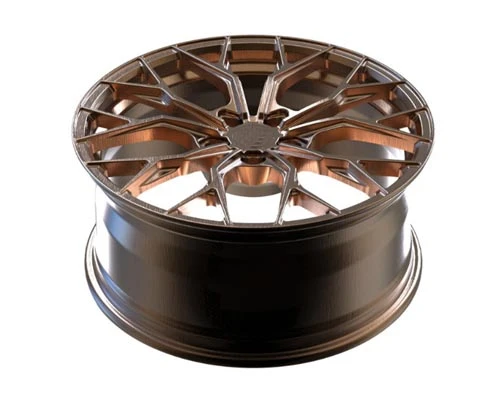
Steel Wheels
Materials and Characteristics: Made from steel (such as carbon steel or ductile iron), these wheels are manufactured using simple, low-cost processes. They offer high strength and excellent impact resistance, making them suitable for heavy loads or challenging road conditions. However, they are heavy, have poor heat dissipation, and are prone to rust; they are commonly found on trucks, entry-level sedans, or base-model vehicles.
Suitable Scenarios: Ideal for users with limited budgets who prioritize durability over aesthetics, or for economy vehicles requiring frequent maintenance.
Aluminum Alloy Wheels
Materials and Characteristics: Based on aluminum with added metallic elements like manganese and magnesium, these wheels are approximately 35% lighter than steel wheels and offer the following advantages:
Energy Efficiency: Reduces inertial resistance, thereby improving fuel economy;
Heat Dissipation: Protects the braking system and extends tire lifespan;
Comfort: Provides good shock absorption and superior balance;
Aesthetics: Highly malleable, allowing for diverse and attractive designs.
Magnesium Alloy Wheels
Materials and Characteristics: Made primarily of magnesium, these are lighter and stronger than aluminum alloy wheels, offering excellent heat dissipation and impact resistance. However, due to high manufacturing costs, they are mostly found on race cars or high-end modified vehicles.
Carbon Fiber Composite Wheels
Materials and Characteristics: Constructed from carbon fiber, these wheels are extremely lightweight and exceptionally strong, offering superior fatigue resistance and noise-dampening properties. However, they are very expensive and are used only on a select few supercars (such as those from Porsche or the BMW M4 GTS).