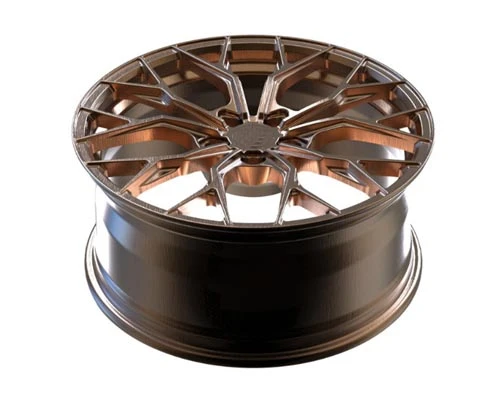
Repairing car wheels demands strict technical standards. Every stage-from pre-repair preparation and the actual repair process to post-repair inspection and maintenance-requires meticulous technical execution.
Before repair begins, the priority is to thoroughly clean the wheel and conduct a comprehensive assessment of the damage. A neutral cleaning agent should be used to carefully remove grease and dust from the surface; acidic or alkaline cleaners must be avoided to prevent corrosion. Assessing the extent and location of the damage is crucial-much like a doctor diagnosing a patient, an accurate assessment is essential for determining the correct repair method.
During the repair process, different techniques are applied based on the type of damage, such as scratches, paint loss, or cracks. For minor scratches, sanding requires uniform pressure and consistent direction to ensure a smooth, level finish. Paintwork must be performed in a dust-free environment to prevent dust from compromising the paint's appearance. Welding repairs for severe damage demand the highest level of precision; the weld must be strong and reliable to ensure the wheel's structural integrity remains intact.
After repair, inspecting the wheel's appearance and balance is critical. Whether the appearance is restored to its original state and whether balance standards are met directly affect driving stability. Ongoing maintenance is equally important; measures such as avoiding impacts, keeping the wheel clean, and protecting it from high temperatures can effectively extend its service life.
In summary, car wheel repair involves a rigorous technical process where every step is interconnected. Only by strictly adhering to these technical requirements can a damaged wheel be restored to its former condition and safe driving be ensured.