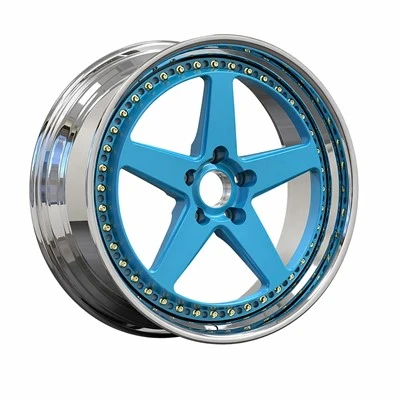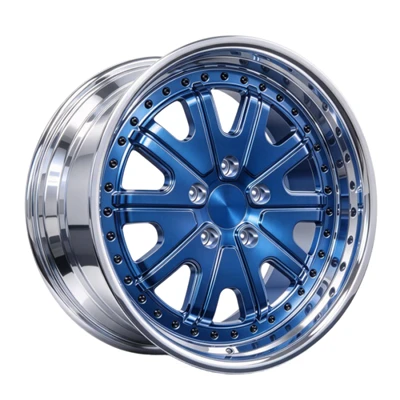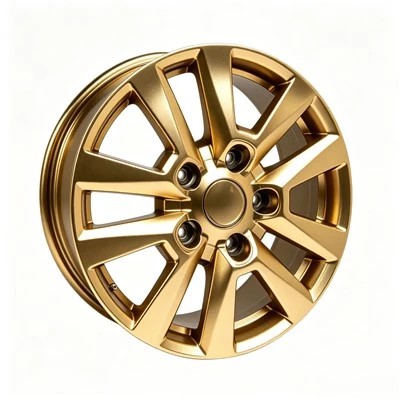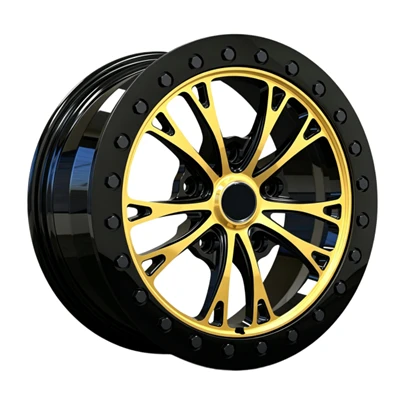

If you've ever shopped around for custom wheels or replacement rims, you've probably heard of low pressure casting-one of the most reliable methods for making strong, lightweight wheels that hold up to everything from city potholes to off-road trails. As a low pressure casting wheels supplier, I get asked all the time: "What materials actually go into these wheels?" It's a good question, because the material isn't just a random choice-it directly impacts strength, weight, heat resistance, and how well the wheel fits a specific vehicle.
Let's break down the main materials we use in our low pressure casting wheels, how they work, and why we pick them over other options.
The Star of the Show: Aluminum Alloys
Ninety percent of the low pressure casting wheels we produce use aluminum alloy, and for good reason. Pure aluminum is soft and would bend or crack under the stress of everyday driving, so we mix it with other elements to tweak its strength, weight, and durability. The most common additions are silicon, magnesium, and copper, each playing a specific role.
Silicon is the big one for improving fluidity when the metal's molten. That's super important for low pressure casting, because we pour metal into a mold at a slow, steady pressure (usually just 0.2 to 0.5 bar) to avoid porosity or gaps. Silicon lowers the melting point of aluminum, so it flows easier into every nook of the wheel's design-especially the tight spokes and sharp edges you see on aftermarket or replica rims. Without enough silicon, the metal might get stuck mid-flow, leading to uneven wheels that aren't safe.
Magnesium adds extra strength without piling on weight. A small percentage (around 3 to 5%) makes the alloy stiffer, so the wheel can handle heavy loads, hard cornering, and sudden impacts without bending. It also boosts corrosion resistance, which matters if you're driving in areas with road salt or near the coast. We have to be careful not to add too much, though-more than 6% makes the alloy more brittle, which can lead to cracks if you hit a curb too hard.
Copper is another common add-on, usually at 1 to 3%. It helps with tensile strength (the ability to resist being pulled apart) and improves machinability, so we can cut and shape the wheel's surface to fit perfectly on your vehicle's hubs and lug nuts. Too much copper, though, makes the alloy heavier, which defeats the whole point of using aluminum in the first place.
When we make these wheels, we work with a range of aluminum alloy grades, each tailored to a specific use. For example, our off-road wheels need to handle rough terrain, so we use a higher magnesium alloy for extra impact resistance. For street-style replica wheels, we lean into a silicon-heavy alloy to get that smooth, intricate design without sacrificing strength. If you want to dive deeper into the specifics, check out our page on Casting Aluminum Alloy Wheels Rims here: /casting-wheels/low-pressure-casting-wheels/casting-aluminum-alloy-wheels-rims.html.
Wait-Do We Use Other Metals?
Sometimes, but only for very specific applications. The other material you might see in low pressure casting wheels is a magnesium-aluminum alloy, sometimes called "mag alloy." Mag alloy is even lighter than standard aluminum, which is why it's popular in high-performance sports cars and race vehicles. But it's way more brittle-hit a pothole with a mag alloy wheel at 60 mph, and it might shatter instead of bending, which is a safety risk for daily drivers. That's why we only use mag alloy for specialized, track-focused wheels, and even then, we balance it with other elements to make it as durable as possible.
Another thing to note: all the metals we use are 100% recyclable, too. That's a big deal these days, and it's why we've stuck with aluminum as our main material for years-its recycling rate is over 90%, so it's way more sustainable than steel or other alternatives.
Why We Pick Low Pressure Casting, and How Materials Tie Into the Process
A lot of people mix up low pressure casting with gravity casting or forging, but the materials work hand-in-hand with the process to make a better wheel. With low pressure casting, we hold the mold upside down above a crucible of molten metal, then apply gentle air pressure to push the metal up into the mold cavity. This slow, steady flow means fewer bubbles and gaps (called porosity) than other methods, so the final wheel is stronger and more consistent.
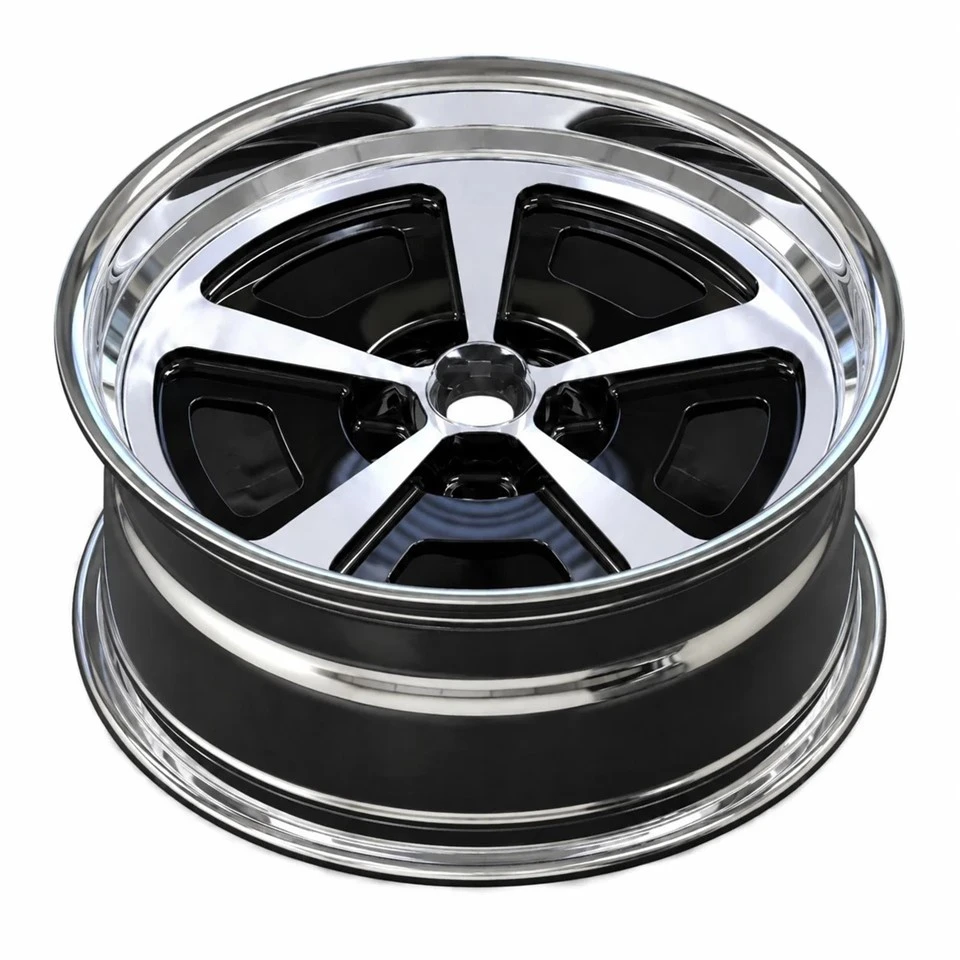
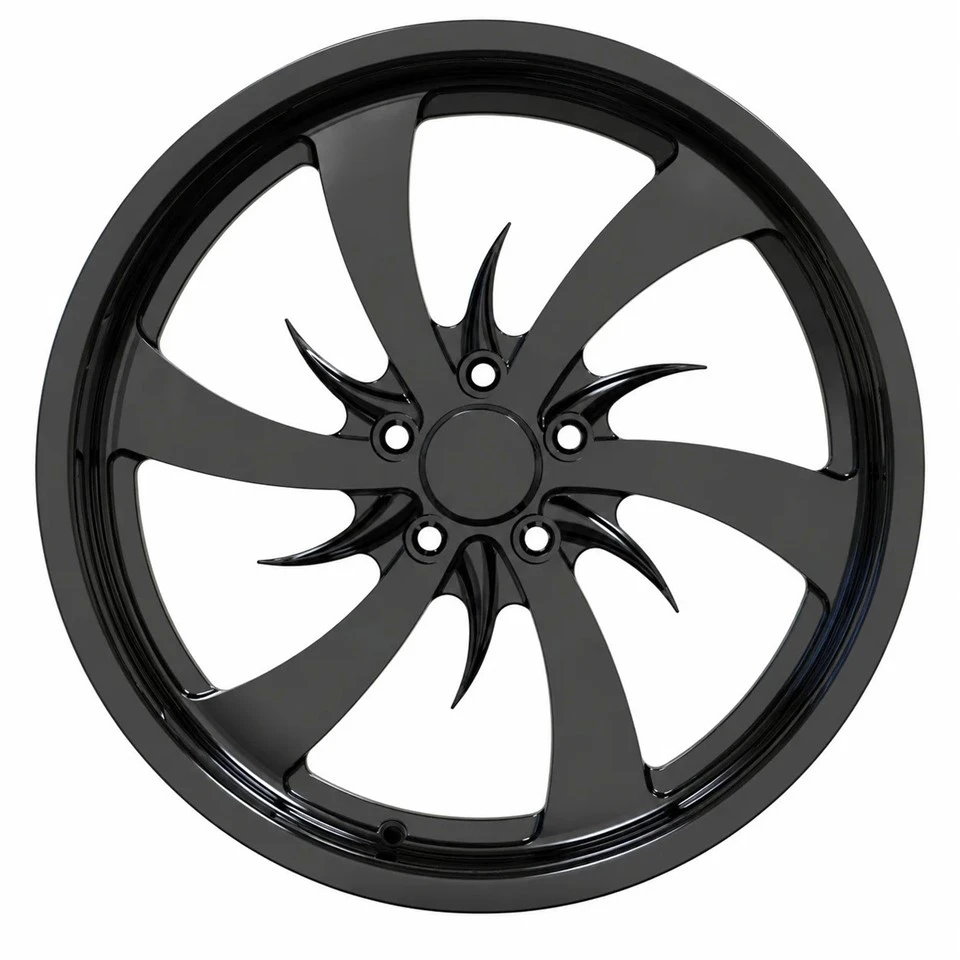
That consistency is why we can make such a wide range of wheels-from street-friendly replica rims to tough off-road wheels. Our 18-inch 5x120 Off Road Wheels use a specific aluminum alloy that's been tested to handle 1,500 lbs of load, so they're perfect for trucks and SUVs that do heavy work. For replica wheels, we use the same alloy but adjust the silicon content to get those sharp, identical designs that match factory rims, which is why our Aftermarket Replica Cast Wheels are such a popular choice for people who want a factory look without the factory price tag.
We even make custom wheels for specific models, like the CNBHRC 5 Spoke Low Pressure Casting Rims For Land Rover Range Rover Sport Vogue Discovery Defender And Velar-those are engineered with a magnesium-aluminum mix that's tailored to the Land Rover's weight and load requirements, so they fit perfectly and perform exactly as intended.
Quality Control: Making Sure the Materials Hold Up
It's not enough to just pick the right alloy-we test every single wheel to make sure it meets safety standards. We do impact tests, where we drop a heavy weight on the edge of the wheel at 10 mph, and run pressure tests to make sure it can handle the air pressure from tires. We also do non-destructive testing, like X-rays, to check for hidden porosity that could make a wheel weak over time.
A common mistake we see other wheel makers make is using cheaper, lower-grade aluminum alloys to cut costs. Those wheels might look similar on the outside, but they're more likely to crack, bend, or even fail under stress. That's why at our shop, we never cut corners on material quality-we use only aerospace-grade aluminum alloys that are tested to meet DOT and SAE standards, so you can drive with peace of mind.
How to Pick the Right Wheel for You
Whether you're looking for off-road rims, replica wheels, or custom fitments, the material matters more than you might think. If you're a daily driver who stays on paved roads, a standard aluminum alloy wheel is more than enough-light, strong, and affordable. If you're taking your vehicle off-roading often, opt for a wheel with a higher magnesium content for extra impact resistance. If you want that exact factory look for your car, replica wheels use the same alloy as the original, so they fit just as well and perform just as reliably.
Ready to Get the Wheels You Need?
At the end of the day, the right material makes all the difference in a low pressure casting wheel. It's not just about what's in the metal-it's about how it's balanced, tested, and paired with the casting process to give you a wheel that's safe, durable, and looks great.
If you're in the market for low pressure casting wheels-whether it's an off-road set, replica rims, or a custom fit for your vehicle-we're here to help. We've got a huge range of sizes, styles, and alloys, all made with the same high standards we've used for years. Reach out to our team to chat about your needs, and we'll help you find the perfect wheels for your vehicle.
References
- American Foundry Society. (2021). Low Pressure Casting: Principles and Applications. AFS International.
- Aluminum Association. (2022). Alloy Designations for Cast Aluminum Wheels. The Aluminum Association.
- Society of Automotive Engineers (SAE). (2020). SAE J2530: Standard Specification for Cast Aluminum Wheels for Passenger Vehicles. SAE International.
- Off-Road Industry Association. (2021). Performance Requirements for Off-Road Cast Wheels. ORIA.
- European Aluminium. (2023). Recyclability of Aluminum Automotive Components. European Aluminium Association.