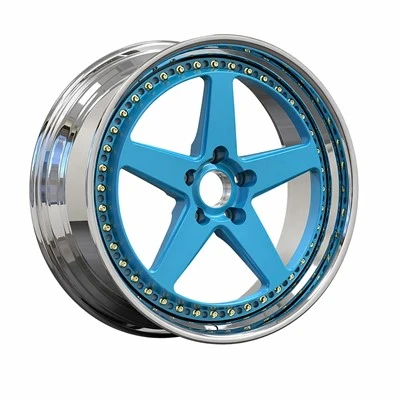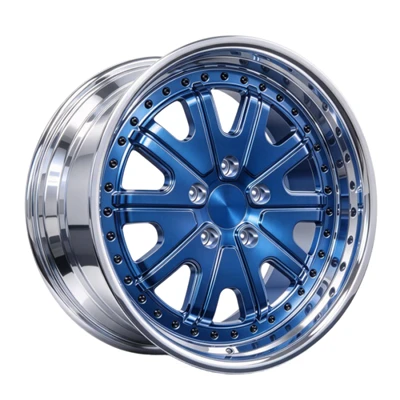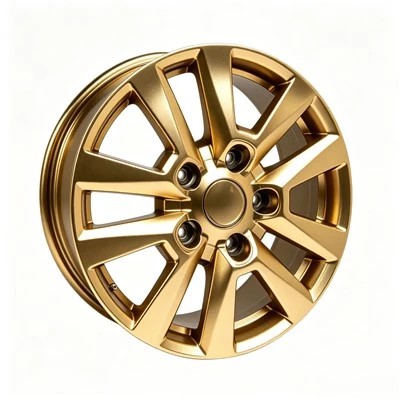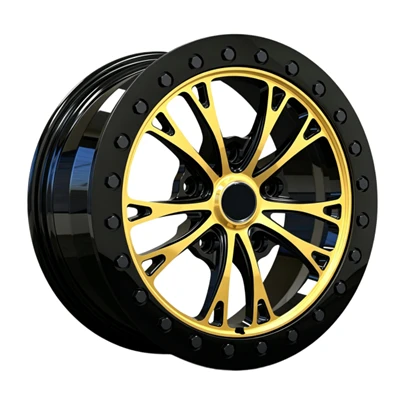

Hey there, if you've ever been shopping for new wheels for your car, truck, or SUV, you've probably seen the terms "casting wheels," "forged wheels," and "steel wheels" thrown around a lot. And let's be real-one of the first questions everyone asks is: "Are casting wheels actually cheaper than the other options?" As someone who's been in the casting wheels game for years (I run a small, no-nonsense supplier that works with everything from daily drivers to weekend off-road rigs), I hear this question at least three times a week. Today, I'm breaking this down like I would for a customer standing in my warehouse-no jargon, just real talk about costs, what makes casting wheels different, and whether they're actually the budget-friendly pick everyone claims they are.
First, let's get the basics straight. Casting wheels are made by pouring molten metal (usually aluminum alloy) into a mold, letting it cool, then trimming and finishing it. Forged wheels? They start with a solid block of aluminum that's hammered and pressed into shape with massive force, which makes them way stronger but also way more work to manufacture. Steel wheels are just sheets of steel pressed and welded together-super basic, but heavy. Now, when it comes to price, the initial sticker shock is where a lot of people assume casting wheels win, but it's not that black and white. Let's dive into the factors that actually affect cost, because that's where most people get confused.
The biggest reason casting wheels seem more affordable upfront is the manufacturing process. Forging requires expensive machinery and multiple steps-heating, pressing, machining, polishing-so those wheels cost 2 to 3 times more than similar-sized casting wheels, usually. Steel wheels are the cheapest on the surface, but they come with hidden costs most folks don't think about. Let's use real examples from my inventory to make this concrete. If you're a Toyota owner, our 17" TRD Pro Style Matte Black Wheels For Toyota 4Runner FJ Cruiser Tacoma And Pre Runner is a high-pressure casting wheel, priced at about $250 each. Compare that to a forged 17" TRD-style wheel, which would set you back $600 to $700 a pop-no contest there. Even our Aftermarket Replica Cast Wheels, which are budget-friendly casting options, run around $200 each, way less than forged.
But wait, steel wheels seem even cheaper-like $80 to $120 each. Why would anyone pick anything else? Because steel wheels are heavy. That extra weight kills gas mileage, makes your car handle worse, and if you're driving off-road, they bend or crack way easier than casting wheels. Last year, I had a customer who bought $500 worth of steel wheels for his Tacoma to save money, but he bent two of them on a single camping trip and had to replace them-so he spent another $200, plus the cost of getting them balanced and aligned. Total hit: $700, which is more than if he'd just bought our 17" TRD Pro-style casting wheels upfront, and they still look better than plain steel. That's the hidden cost no one talks about-durability and long-term value, not just the initial price tag.
Another big factor when it comes to "affordability" is fitment and availability. Let's say you drive a Tesla Model Y. Our Aftermarket Matte Black Wheels for Tesla Model Y are flow-formed casting wheels, designed specifically to fit that car's specs, so you don't have to pay extra for custom machining. If you tried to get a forged wheel for the same Tesla, you'd probably have to wait 6 to 8 weeks and pay a premium for a custom mold, and even then, parts availability is garbage. Same with the 5x114.3 Honda Civic Wheels we carry-those are high-pressure casting wheels made with the exact bolt pattern, offset, and load rating Civics need, so you can bolt them on and go without any extra work. For a Civic, a steel wheel that fits would be easy to find, but again, the weight and lack of style make them a non-starter for most Honda owners.
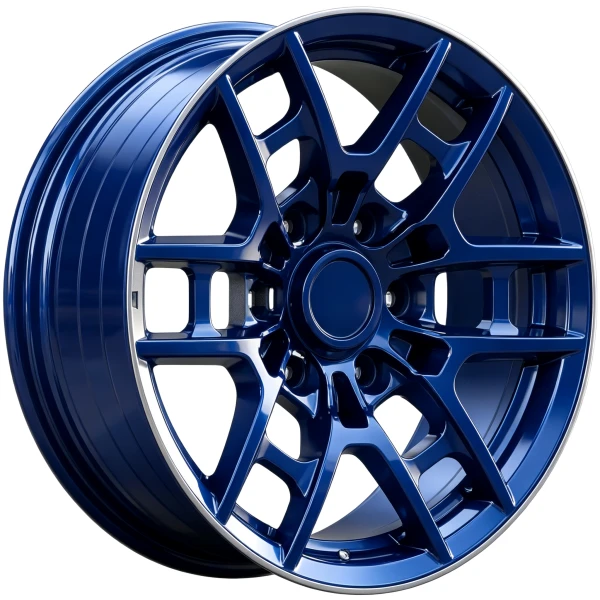
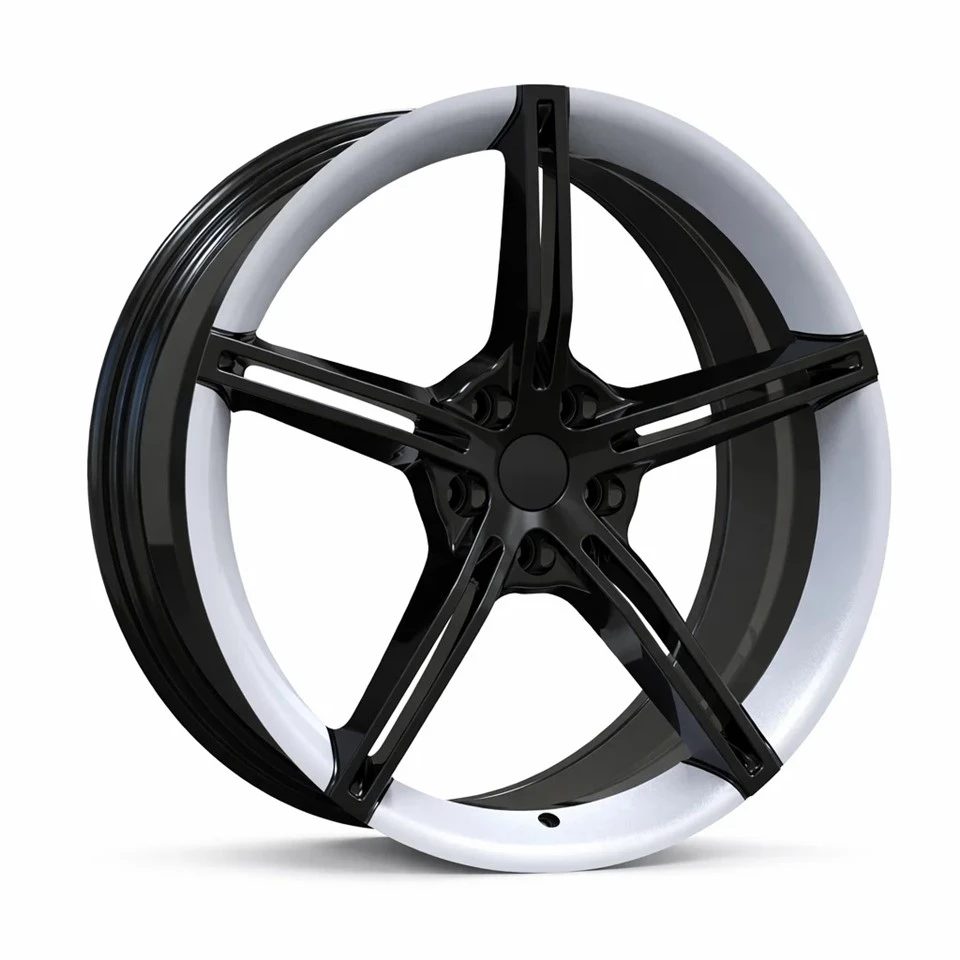
Wait, but not all casting wheels are the same, right? You might be thinking, "Some casting wheels look cheap and flimsy-are those more or less affordable?" Great point. There are three main types of casting wheels: high-pressure casting, low-pressure casting, and flow forming. High-pressure is the most common and cheapest, used for mass-produced wheels like our Honda Civic ones or Tesla Model Y wheels. Low-pressure is a step up, with denser metal, so it's stronger than high-pressure-our 18-inch 5x120 Off Road Wheels are low-pressure, priced around $300 each, which is still cheaper than forged off-road wheels (those go for $800+) but more durable than basic high-pressure. Flow forming is in between-starts as a casting, then stretches the metal to make it thinner and stronger, so you get the best of both: lighter than high-pressure, stronger than casting, and cheaper than forged. That's why our TRD Pro-style wheels are flow formed-they're affordable, but you don't feel like you're driving on a soda can.
Now, let's compare apples to apples. Let's pick a common use case: a daily driver 2021 Honda Civic, which needs four wheels. Option 1: Budget steel wheels-$100 each = $400 upfront. But as I mentioned, heavy, bad for gas mileage, prone to rust if you live in a snowy state, and they look like something from a work truck. Option 2: Our 5x114.3 Honda Civic Wheels (high-pressure casting)-$220 each = $880 upfront. But they're lighter (better MPG), stronger than steel, look way better, and come with a 1-year finish warranty. Option 3: Forged Civic wheels-$650 each = $2,600 upfront. Way stronger, super light, but way out of budget for most people. Now, add in the long-term costs: steel wheels might last 3 years before rusting out or getting damaged, casting wheels will last 5 to 7 years with basic care. So over 7 years, steel wheels would cost you about $930 (replacing them every 3 years plus balancing/alignment), while casting wheels are $880 with no need for replacement. That's actually cheaper in the long run-even though the upfront is higher.
Another area where casting wheels win is customization. If you want a style that's not stock, casting wheels are way more affordable to make in small batches than forged. Want matte black for your Tesla? Our Aftermarket Matte Black Wheels for Tesla Model Y are ready to ship in a week, no custom order fee. Want replica wheels for your FJ Cruiser that look just like TRD Pro? Our 17" TRD Pro Style Matte Black Wheels For Toyota 4Runner FJ Cruiser Tacoma And Pre Runner are a direct fit, no extra cost. Forged replicas would be a custom job, so you'd pay a $500 mold fee on top of the wheel price, which makes it not worth it for most people.
But here's the catch: if you're looking for absolute rock-bottom upfront cost, steel wheels will always be cheaper. But if you value performance, durability, style, and not wasting money on replacements or hidden fees, casting wheels are the more affordable choice over time. I see this all the time with off-roaders-they buy cheap steel wheels for their trucks, go out on the trail, bend them, and then call me a week later to buy our low-pressure casting wheels like the 18-inch 5x120 Off Road Wheels. They end up saving money because they don't have to replace them every other trip. And for Tesla owners? Forged wheels are a status symbol for some, but most of my customers go with our flow-formed Tesla wheels because they're lighter (better for range) and way cheaper than forged, and they look just as good.
Let's also talk about quality control, since that's a big part of "affordability" too. As a supplier, I test every casting wheel I sell-spinning them at high speeds, checking for cracks, making sure they meet load ratings. A lot of cheap, no-name casting wheels out there cut corners with thinner metal or bad mold design, which makes them unsafe. But reputable casting suppliers like me make wheels that meet DOT standards, so you're not taking a risk with your safety. Forged wheels are also tested, but the extra cost is for the manufacturing process, not necessarily better quality for daily driving.
Wait, one more point: resale value. If you decide to sell your car, wheels with good style and quality hold their value. Our casting wheels have a solid reputation, so if you take them off your Civic or Tacoma, you can sell them for 50% of what you paid, whereas steel wheels are basically worthless once they're off the car. Forged wheels hold more value, but again, the upfront cost is so high that it's not worth it for most buyers.
So, to circle back to the original question: Are casting wheels more affordable than other types? Short answer: Yes, when you look at total cost (not just the sticker price), especially if you're not a high-performance or luxury car owner. Steel wheels are cheaper upfront, but they cost more over time due to damage, poor gas mileage, and resale value. Forged wheels are way more expensive upfront and only make sense if you need the extra strength for racing or extreme off-roading.
At the end of the day, it all comes down to what you need. If you're on a tight budget, just need something to get around, and don't care about style-steel wheels are fine, but don't say I didn't warn you about the hassle. If you want balance: good price, decent strength, great style, no hidden costs-casting wheels are the move. We've got options for every vehicle: our Aftermarket Replica Cast Wheels for anyone looking to match a stock style, our specific fitments for Toyota, Honda, and Tesla, and even off-road options. If you're ready to stop guessing about wheel costs and find what works for your budget and ride, hit us up to chat-we don't push expensive stuff, just what makes sense for you.
References
- Automotive Wheel Manufacturing and Cost Analysis, Tire and Wheel Association, 2023
- Performance Differences Between Cast, Forged, and Steel Wheels, Motor Trend, 2022
- Long-Term Cost Comparison of Wheel Types for Daily Drivers, Consumer Reports, 2023
- Off-Road Wheel Durability Testing, Four Wheeler Magazine, 2022
- Tesla Aftermarket Wheel Fitment Guide, EV.com, 2023