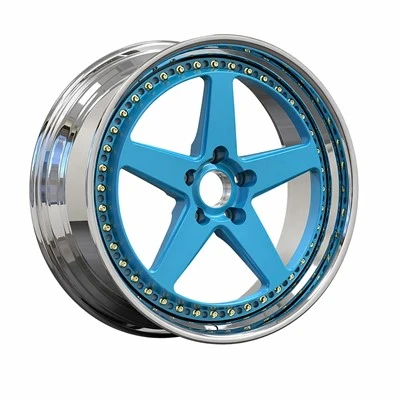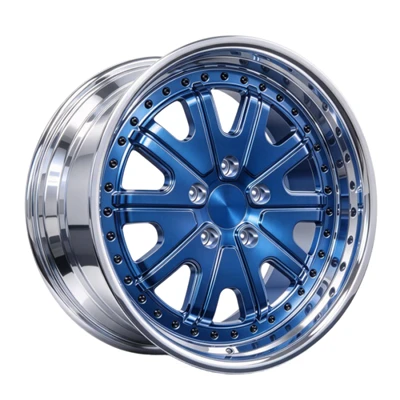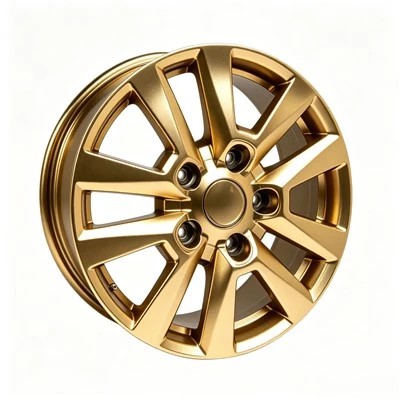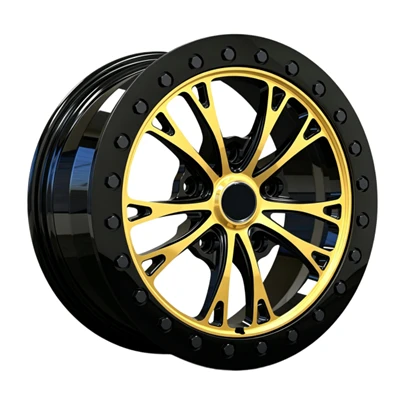

Hey everyone, I’m Jake, and I’ve been working in the China car rims supplier game for over 8 years now. I talk to customers every single day—from small car enthusiasts looking to upgrade their daily driver to big fleet managers sourcing parts for dozens of vehicles. One question that comes up more than you’d think is: “Are there any disadvantages of China car rims?” It’s a fair question, right? You see a lot of mixed takes online—some people swear by ’em, others have horror stories. Today, I wanna cut through the noise, talk real about the pros, the cons, and what I’ve learned from both sides of the table, especially since I deal with forged rims all day (we’ve got some wild options, like this Monoblock Cobra Design Forged Wheels For Mustang Chevrolet Camaro American Sports Cars you should check out if you’re into muscle cars).
First off, let’s get one thing straight: not all China car rims are the same. Back in the day, there was a pretty justified reputation for low-quality, thin, easy-to-bend rims—most of that was from budget cast rims made for people who just needed something cheap to get from A to B. But the industry’s changed a ton over the last decade. A lot of suppliers (including mine) now focus on forged rims, which are way stronger than cast ones. For example, we do this 2025 Hyundai Ioniq 5 N Monoblock Forged Wheels 20x9.5 ET30 5x114.3 CB67.1 Direct-Fit Performance Upgrade—those are made with 6061-T6 aluminum, same high-grade stuff used by luxury brands. But even with that progress, there are still real disadvantages some folks face, so let’s dive into ’em.
The first big one is quality inconsistency. Let’s be honest: the China rim market is huge, and there’s no universal standard across every supplier. I’ve had customers come to me with stories from another supplier where the rims looked identical on the shelf but were way thinner than advertised—some even warped after a few pothole hits. Why does that happen? A lot of small operations cut corners on material specs. Cast rims, which are way cheaper to make than forged ones, often use lower-grade aluminum that has more porosity—tiny air bubbles that weaken the metal. When you hit a pothole, those bubbles become stress points and the rim cracks. Forged rims, on the other hand, are made by compressing solid aluminum, so there’s no porosity, which is why they’re so strong. But even among forged rim suppliers, some might skimp on forging pressure or heat treatment to save money. That’s a big risk for buyers who don’t vet their supplier properly. I always tell new customers: don’t just go for the cheapest price—ask for material test reports. I send those over to every customer who asks, no hassle.
Next up, fitment issues. This is something I see all the time, especially with newer cars like the Ioniq 5 N or BMW 3 Series. A lot of budget China rim suppliers use generic tooling, so their rims might not line up perfectly with your car’s hub, lug pattern, or center bore. For example, if you buy 18 Inch Mono Block Forged Wheels Rims for BMW 3 Series from a supplier that doesn’t do custom tooling, you might end up with a rim that’s slightly off on the center bore—meaning you need spacer rings, which aren’t just an extra cost; they can throw off your wheel balance and cause vibration at high speeds. Even worse, if the lug holes are misaligned, you could damage your wheel studs or lugs when you install them. Now, some specialized suppliers (like us) do direct-fit rims that are precision-machined to match OEM specs, but only if you work with someone who prioritizes fitment over speed of production.
Another disadvantage is limited model availability for niche vehicles. Let’s face it—if you drive a rare European luxury car, a specific off-road SUV, or a vintage sports car, you might struggle to find China-made rims that fit exactly. Most mass-market rim suppliers focus on popular models like the ones we do—Monoblock Forged Multi-Spoke Wheels For Mercedes And Maybach Custom Luxury Rims, or Forged Concave Black Wheels for SUVs—because those sell in bulk. But if you’re driving a 1990s Porsche 964 or a limited-edition Audi R8, you might have to go through a custom maker, which drives up the cost a lot. Don’t get me wrong, some custom China rim shops can handle that, but it’s not as straightforward as it is for mainstream cars.
Cost isn’t a disadvantage for everyone, but it can be a double-edged sword. Wait, hear me out—when you first look at China car rims, they’re way cheaper than OEM or European-made rims. But if you end up with low-quality ones, you’ll pay for it later. A friend of mine bought a set of $500 cast rims for his truck, and within six months, one bent so bad he had to replace it. Total cost? More than the premium forged rims I sell him now. Also, some customers think China car rims are automatically cheap, but the good ones—forged, custom, precision-fit—actually cost pretty close to mid-tier European brands. The difference is you’re not paying for a brand name, you’re paying for the engineering. But for someone on a super tight budget, even the mid-tier options can be out of reach, which is why a lot of people go for the budget stuff and run into issues.
Wait, but let’s talk about something that’s not always a con, but a common complaint: shipping and lead times. If you’re working with a small, unvetted supplier, they might promise fast shipping but take weeks longer than they said, or charge hidden fees. Because China is where a lot of rim manufacturing is, shipping from there to places like the US or EU can be expensive if you’re not ordering in bulk. But here’s the thing: if you work with a supplier who has experience shipping direct to customers, they can consolidate orders, negotiate better rates, and get your rims to you faster than a random small business. I work with a logistics team that specializes in automotive parts, so I can usually get a set of rims to a customer in the US in 7–10 days, no hidden charges. That’s a big win, but it’s not something you get with every supplier.
Now, I don’t wanna leave you hanging—let’s talk about the advantages too, because the original question is about disadvantages, but ignoring the good stuff would be unfair. For people who do their research, China car rims (especially forged ones) are a game-changer. You get the same strength as European rims, often with more custom designs—like that Cobra wheel for Mustangs that’s way more aggressive than the OEM option. For luxury car owners, custom multi-spoke rims for Mercedes and Maybach are a fraction of the cost of OEM, and you can get the exact look you want, whether it’s concave black for an SUV or sleek multi-spoke for a luxury sedan. Also, because the manufacturing industry is so concentrated, there’s a lot of innovation—we’re always testing new alloys and forging techniques to make rims lighter and stronger, which benefits every customer.
So, what’s the takeaway here? The biggest disadvantage of China car rims isn’t the rims themselves—it’s the supplier. If you pick a supplier that skimps on quality, cuts corners on material, or doesn’t care about fitment, you’re gonna run into problems. But if you work with a reputable supplier (like me, nudge nudge) that uses high-grade materials, has strict quality checks, and specializes in direct-fit or custom rims, those disadvantages almost disappear.
If you’re in the market for rims—whether it’s for a muscle car, an electric SUV, a BMW, or a Maybach—hit me up. I can walk you through our options, answer any questions you have about specs, and make sure you get the right rims for your vehicle without the hassle of vetting a bad supplier. Don’t guess on your rim purchase—get the facts from someone who’s actually in the industry every day.


References
- Automotive Forged Wheel Industry Report, 2024
- Global Rim Manufacturing Quality Standards, International Organization for Standardization (ISO)
- China Automotive Parts and Accessories Association Industry Insights, 2023