The Manufacturing Process of Forged Aluminum Wheels
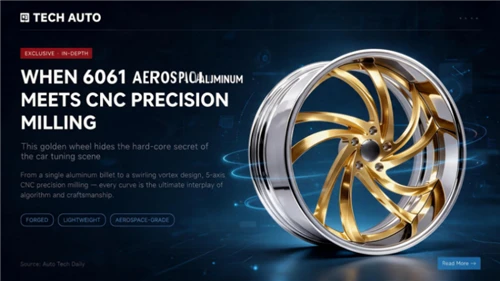
Forged aluminum wheels are well‑known for high strength, light weight and excellent fatigue resistance, widely used in performance cars, luxury vehicles and motorsports. Unlike cast wheels which start with molten aluminum, forged wheels are shaped from a solid aluminum billet through a series of precise manufacturing procedures.
Step 1: Raw Material Preparation The production starts with high‑grade 6061 aluminum alloy billets, a solid cylindrical aluminum bar. According to the target wheel size, workers cut the billet to the correct weight and dimension. Strict initial inspection is carried out to eliminate internal defects on raw material.
Step 2: Heating and Hot Forging The aluminum billet is heated to a suitable forging temperature. Then it is placed inside a heavy‑duty hydraulic forging press with over 10,000 tons of pressure. Under enormous compression, the solid aluminum is squeezed into a rough wheel blank. This crucial step aligns the internal metal grain structure and removes tiny air voids inside the alloy, which greatly improves mechanical strength and toughnessApex Wheel....
Step 3: T6 Heat Treatment After hot forging, the rough blank goes through T6 heat treatment, including solution heating, quenching and artificial aging. The whole procedure eliminates internal forging stress, optimizes aluminum hardness, tensile strength and ductility. Without qualified T6 treatment, forged wheels would not meet safety standards for road driving.
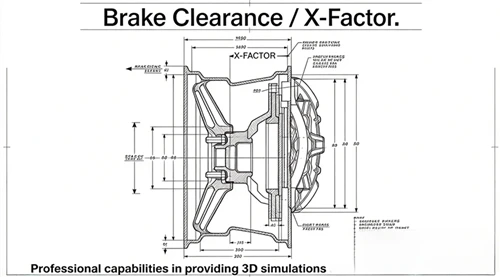
Step 4: Precision CNC Machining The heat‑treated forging blank is clamped on multi‑axis CNC machining centers. Based on 3D engineering drawings, the lathe and milling machines cut out the spoke profiles, hub face, center bore, bolt holes and wheel rim barrel. Excess material is removed gradually to form the final wheel geometry. Complex custom‑styled wheels usually need long‑time CNC cutting workWL FORGED.
Step 5: Surface Finishing Once machining and deburring are finished, wheels move to the finishing workshop. Multiple surface options are available: powder coating, painting, diamond cutting, brushed, polishing. Pretreatment includes cleaning and chemical conversion coating to guarantee strong paint adhesion and anti‑corrosion performance.
Step 6: Strict Quality Control and Final Inspection Every finished forged wheel must pass comprehensive quality checks. Items include dimensional measurement, run‑out test, hardness testing, visual inspection for surface flaws. For batch production, sample wheels will also undergo impact test and radial fatigue test. Only wheels that pass all inspections can be cleaned, labeled and packed for shipment.
From solid aluminum billet to finished performance wheel, every manufacturing stage matters for the final quality. That explains why high‑quality forged wheels deliver reliable performance under tough driving conditions.